Our Turtles
We believe three species of sea turtle nest along this coastline: olive ridley, green, and leatherback. As our first nesting season begins, we’ll confirm which ones are using these beaches and gather much-needed data about their nesting habits and conservation needs. Each species plays a unique role in the ecosystem, shaped by what they eat and where they live.
Olive Ridley Turtle (Lepidochelys olivacea)
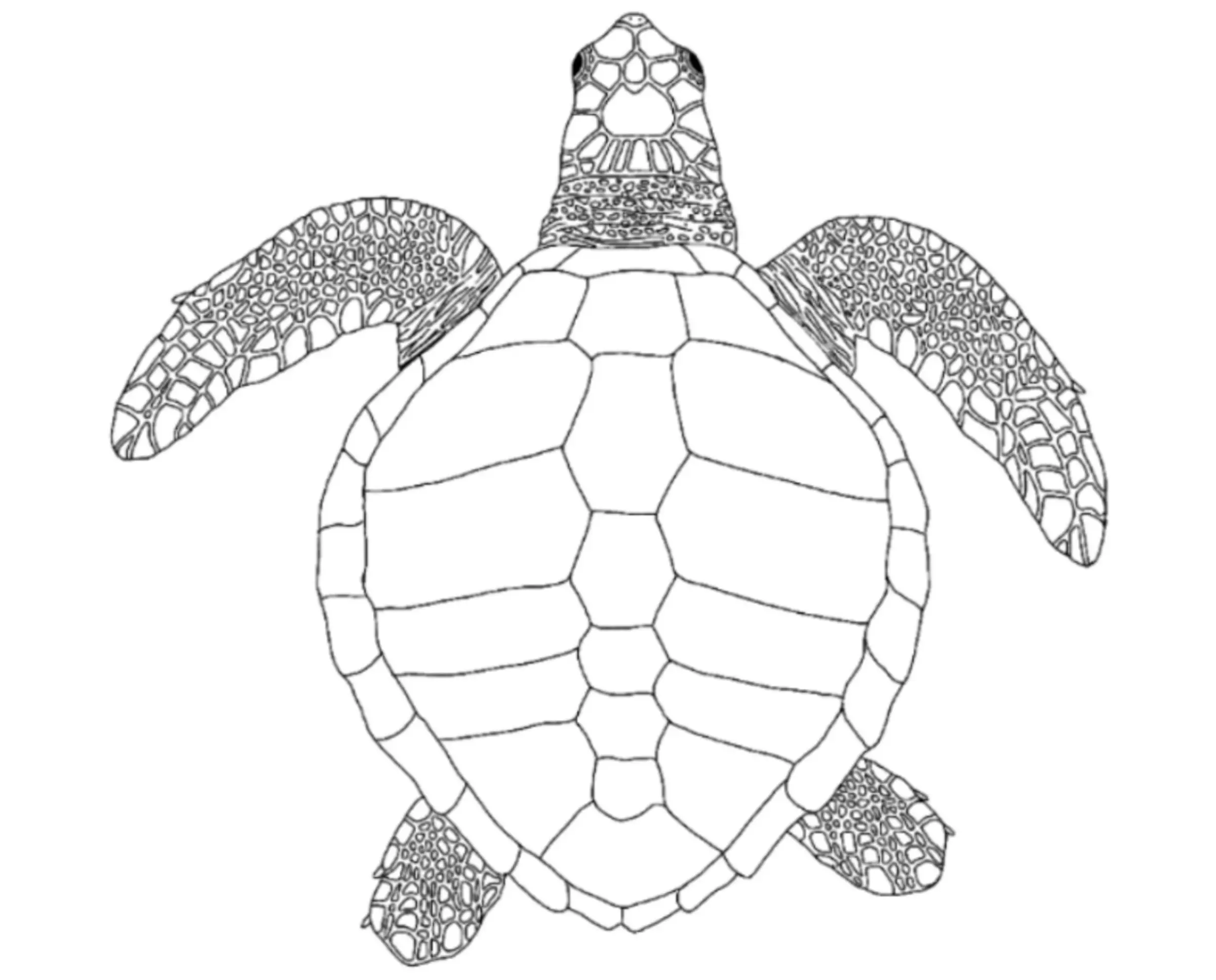
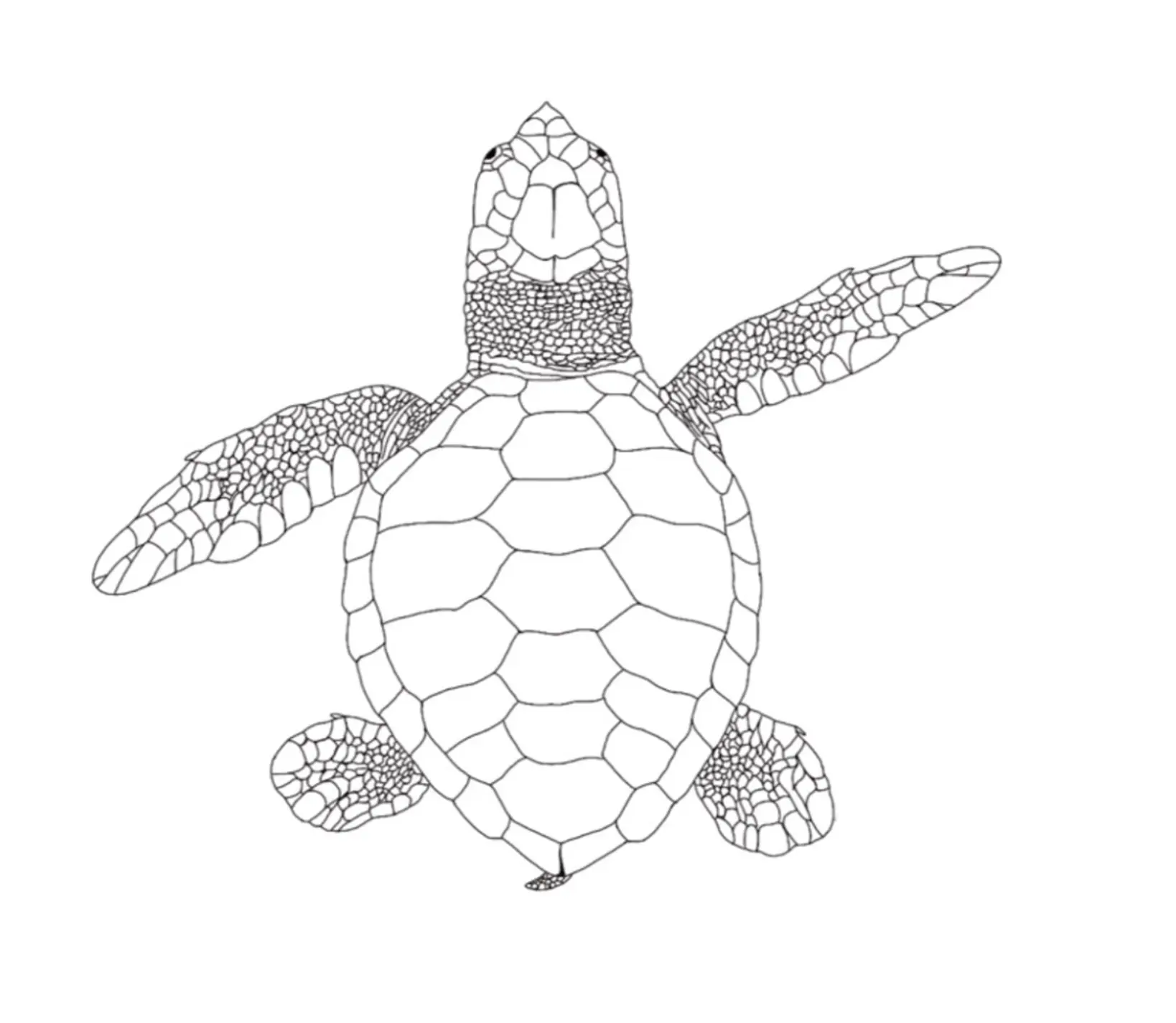
Olive ridleys are the smallest sea turtles nesting along this coast, measuring 0.6–0.7 m and weighing 36–45 kg. Named for their olive-green shells, they are omnivorous, feeding on crabs, jellyfish, shrimp, algae, and seagrass in coastal and open ocean waters. Olive ridleys play a crucial role in maintaining healthy marine ecosystems by controlling jellyfish and invertebrate populations.
Green Turtle (Chelonia mydas)
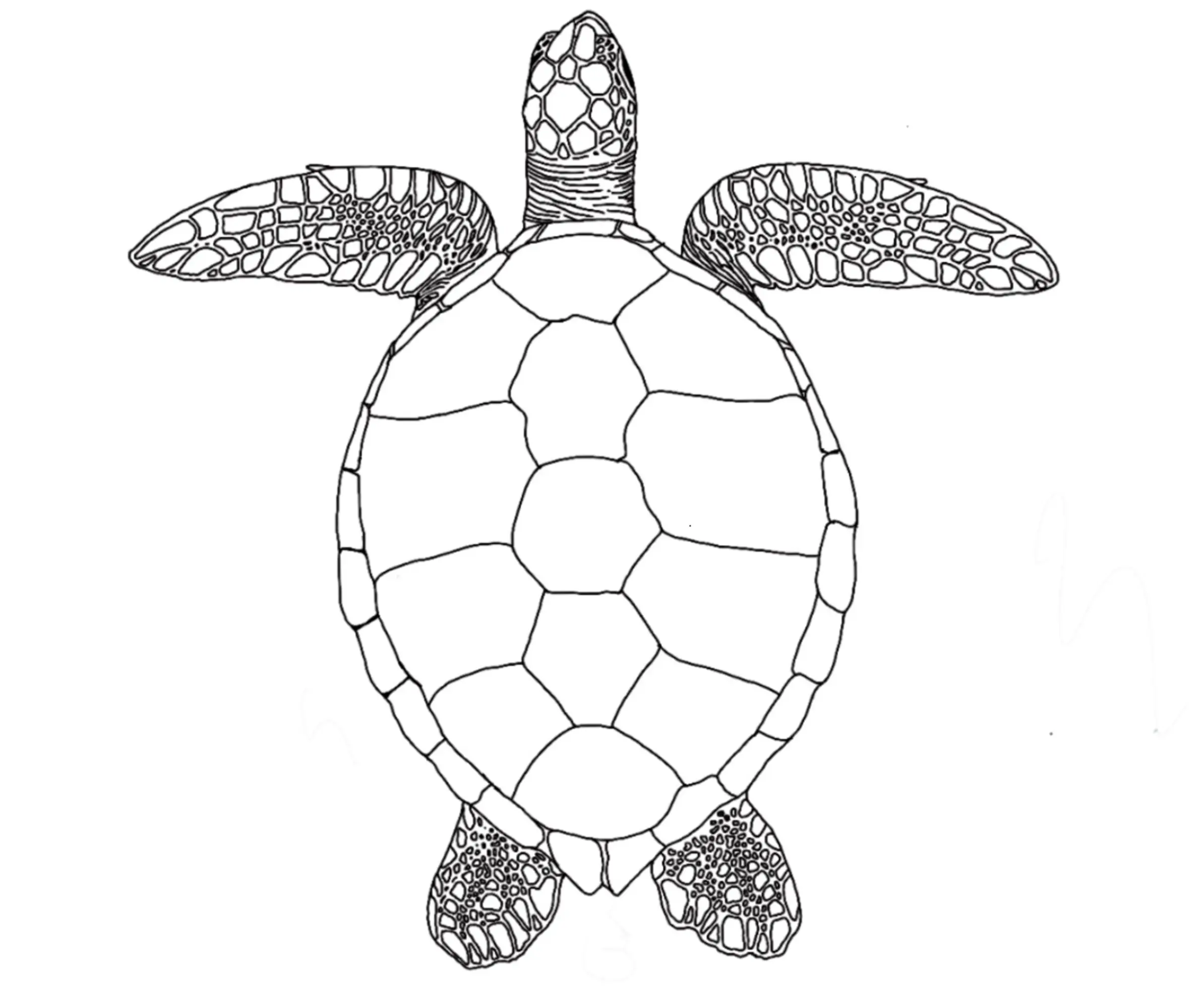
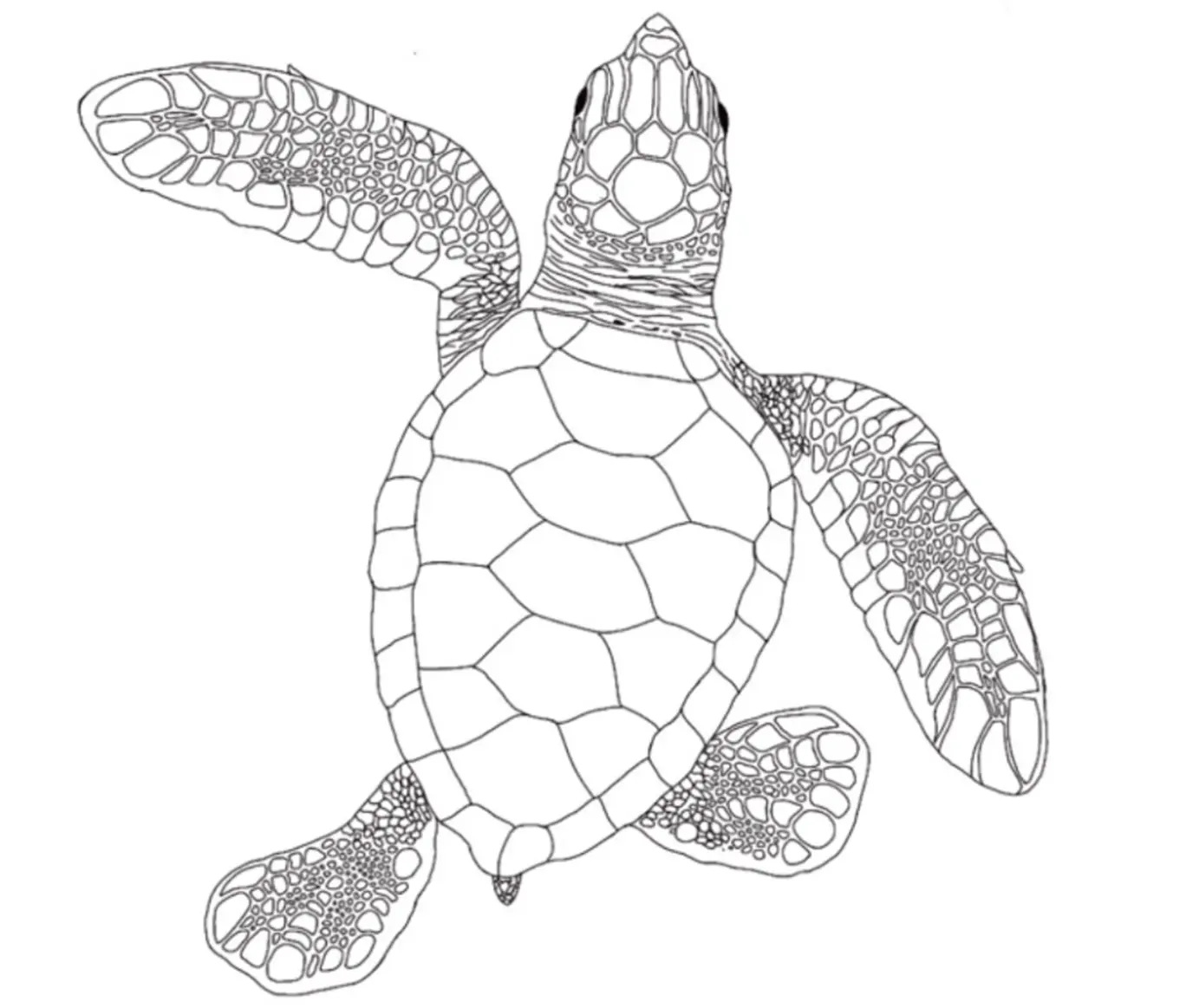
Green turtles are named not for the color of their shell, but for the greenish fat under their skin, a result of their herbivorous diet. Adults feed mostly on seagrass and algae, while juveniles may also eat small animals like jellyfish or sponges before shifting fully to vegetation. They measure 0.9–1.5 m and weigh 110–190 kg. By grazing on seagrass beds, green turtles help keep these vital ecosystems healthy. Seagrass areas serve as nurseries for many fish species and act as natural carbon sinks, making them important for both biodiversity and climate resilience. Without grazing, seagrass can become overgrown and less productive.
Leatherback Turtle (Lepidochelys olivacea)
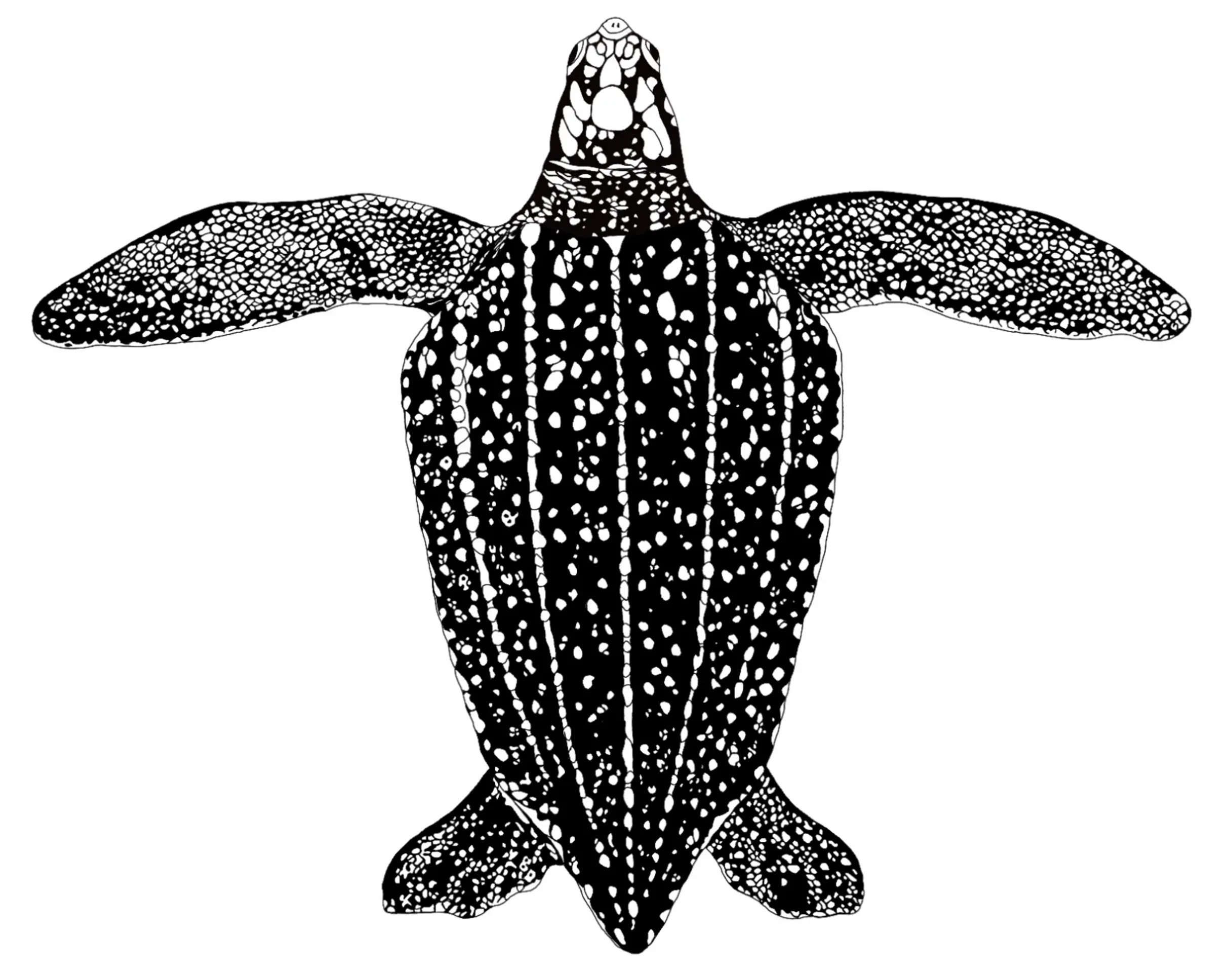
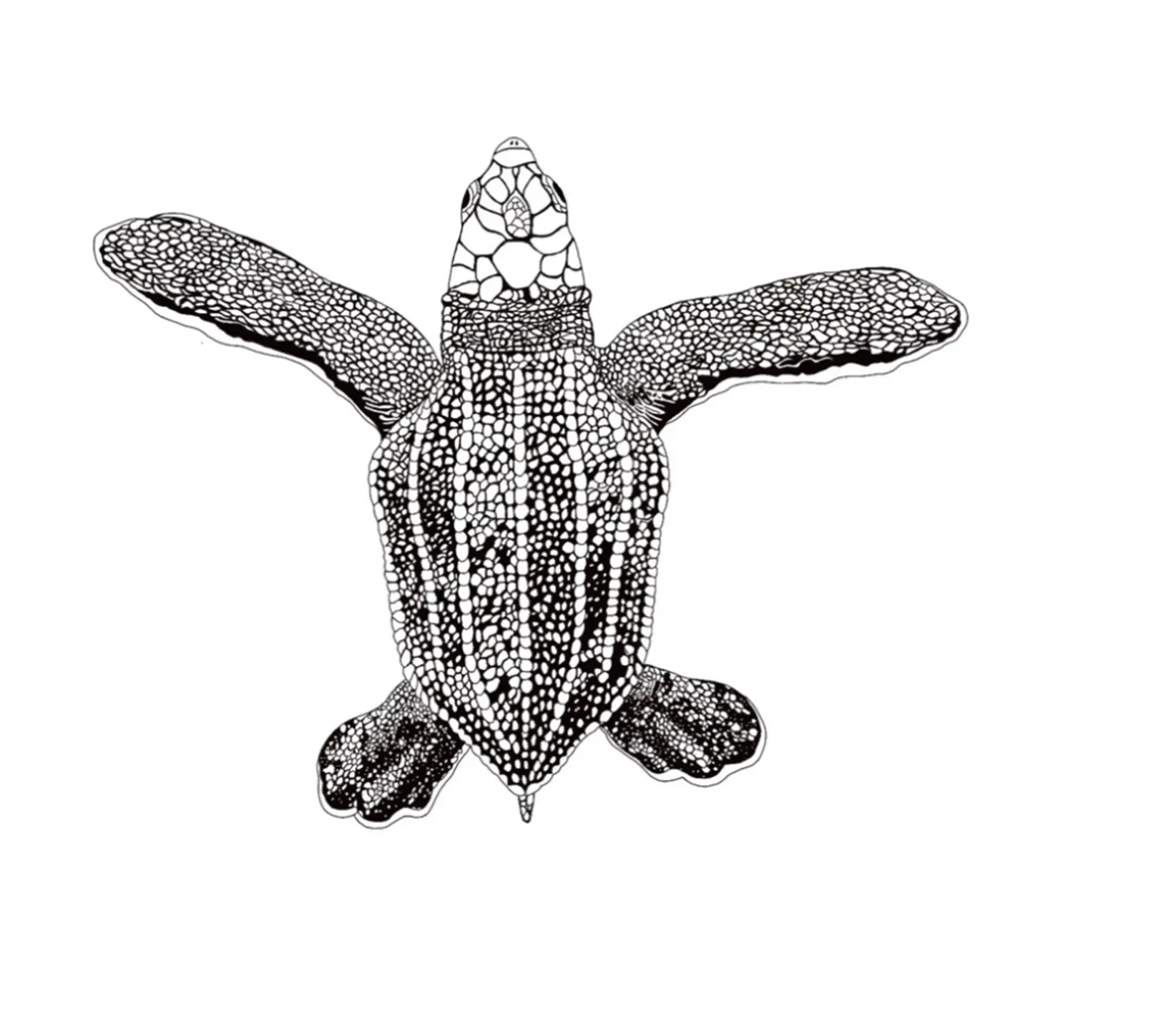
Leatherbacks are the largest and most wide-ranging of all sea turtles, measuring 1.2–2.4 m and weighing up to 900 kg. Instead of a hard shell (carapace), they have thick, leathery skin that allows them to dive to great depths and travel across entire oceans.
Leatherbacks feed almost entirely on jellyfish, playing a critical role in controlling jellyfish populations. An overabundance of jellyfish can disrupt fish stocks and create challenges for fisheries, so leatherbacks are essential in keeping the balance. However, their diet also makes them highly vulnerable to plastic pollution.
We’re excited to begin our first nesting season and find out exactly who is visiting these beaches. By patrolling regularly, monitoring nests, and collecting detailed data, we hope to build a clearer picture of sea turtle activity in this area.
Each turtle sighting will help us understand what species are using this coastline, when they arrive, and how best to protect them in the years to come. And by sharing what we learn with the local community and the wider world, we can help create pride, awareness, and long-term change.
This season is about discovery. We’re not just here to protect what’s already known — we’re here to uncover what’s still hidden and give it a future.